
Introducing Nebulae
OPENING QUESTIONS: ALL types of stars end their 'lives' by recycling elements such as hydrogen, helium, oxygen, copper, aluminum, nitrogen (remember the Sun Song!) back into space. Much of that material will eventually form stellar systems (solar systems around other stars than the sun) with planets, comets, asteroids and moons of their own.
What are the two ways that occurs?
OBJECTIVE: I will work with my team to research and define 3 types of nebulae (nebulas?) during today's class.
I will be able to compare and contrast 2 different types of stars after today's class.
CALENDAR:
Solar System Retakes are NEXT Thursday or Friday before school. Please arrive at 6:25 or so and the test will begin at 6:30
Please keep in mind my day is over at 11:30 so I'm not available for after school but I'm happy to meet with you any day before school for practice!
WORD FOR TODAY:
- solar/stellar nebula
- nebulae
- fusion
- nucleosynthesis
- Strong Force
- main sequence
- Black Holes
- Neutron Stars*
- White Dwarf Stars*
- Brown Dwarf Stars*
- Red Dwarf Stars
- Yellow Stars
- Red Giant Stars
- Blue Giant Stars
* are not actual stars since there is no fusion going on
WORK O' THE DAY:
So.... while preparing for today's class I went up to the ol' wizard and asked:
Are nebulae grouped by classifications of some sort?
I already knew the answer but I've found that chatGPT works MUCH better if you engage in conversation with it rather than treating it like Google.
And the wizard said:
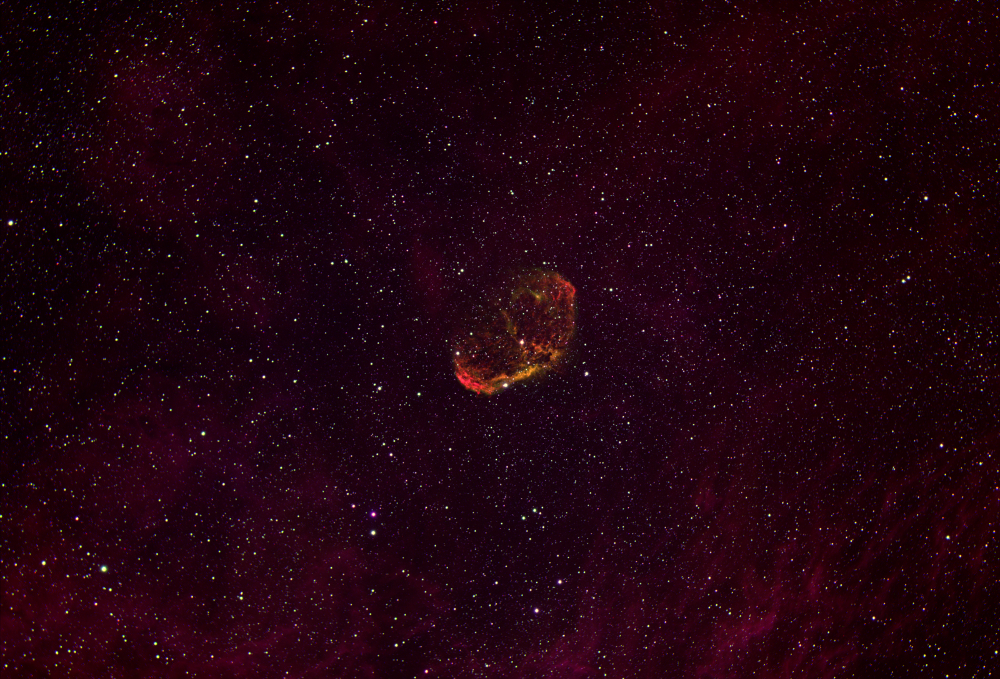
1) Emission Nebulae – These are clouds of glowing gas that emit light of various colors. They are often regions of star formation, where young, hot stars energize the surrounding gas. Example -The Crescent Nebula:
Photo by Inara D. | Ethan H. | Mia C. | Seamus R. | Ashley I. Imaging by Mia C. | Seamus R. | Ashley I.
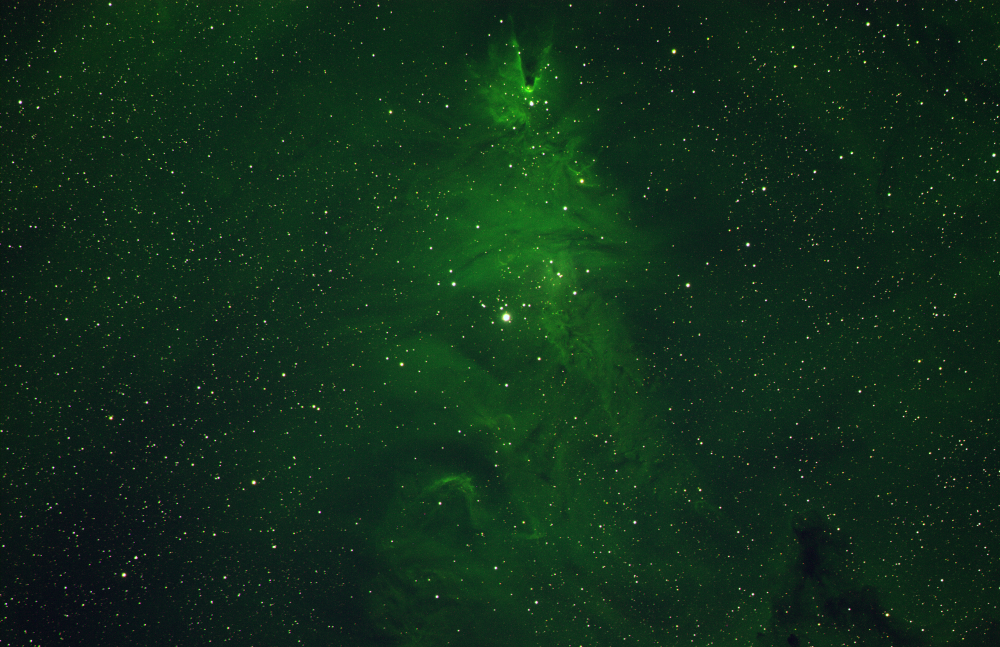
2) Reflection Nebulae – These nebulae do not emit their own light but instead reflect the light of nearby stars. They usually appear bluish because shorter (blue) wavelengths scatter more effectively. Example - The Christmas Tree Cluster (where the central stars are actually 'lighting up' the 'Christmas Tree'):
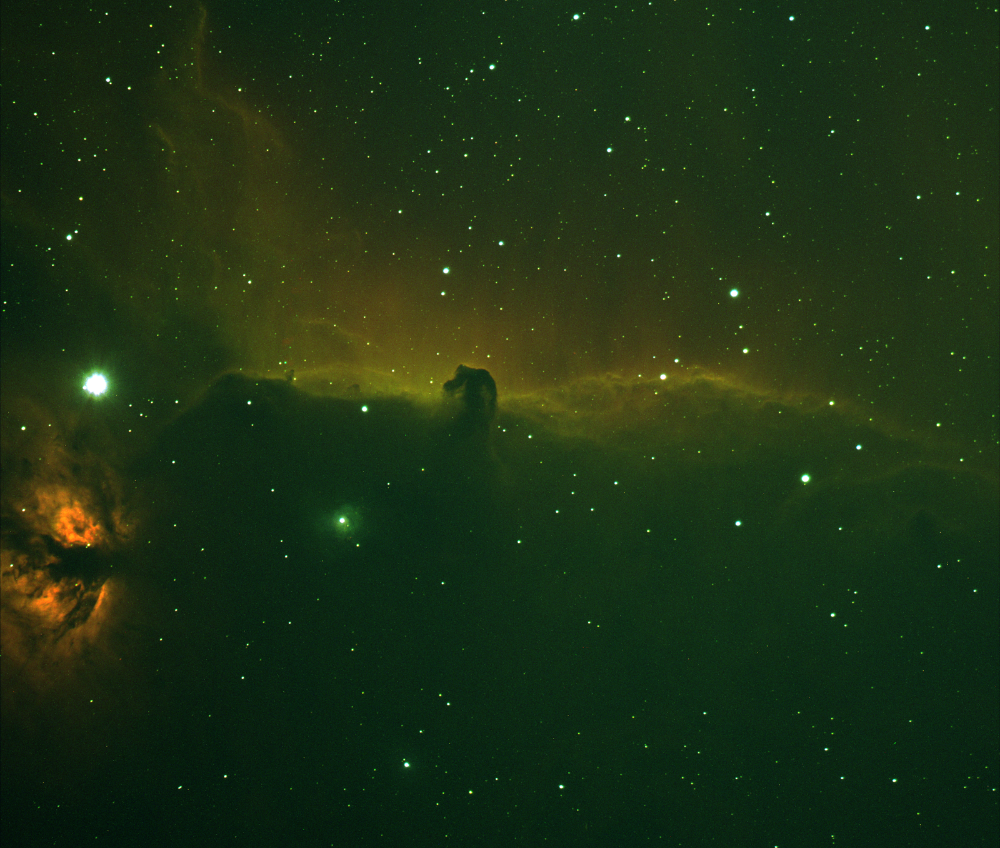
3) Dark Nebulae – These are dense clouds of dust and gas that block light from stars or nebulae behind them. They appear as dark patches against brighter backgrounds. Example - The Horsehead Nebula:
Photo & Imaging by Mr W
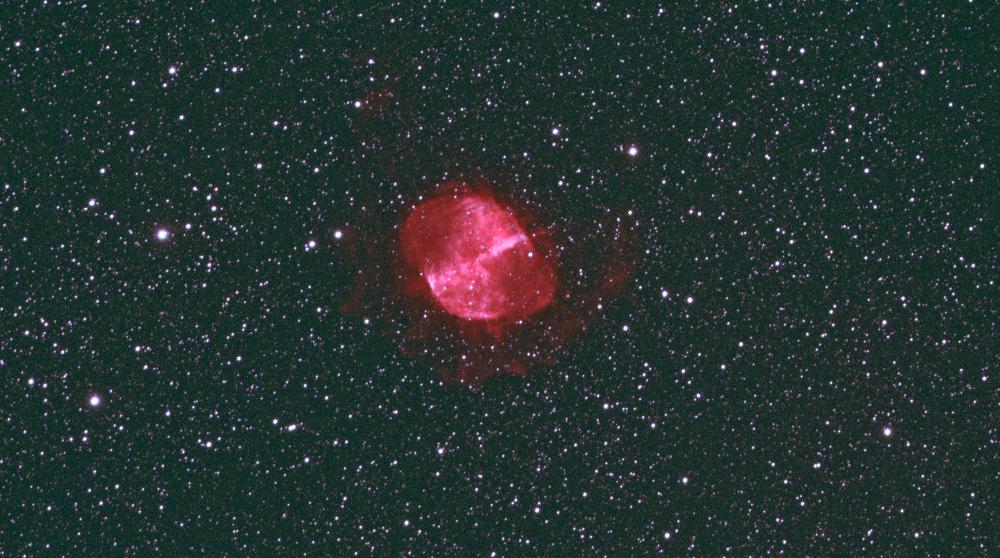
Planetary Nebulae – Formed when a dying star (usually a red giant) sheds its outer layers, leaving behind a hot core that illuminates the expelled material. Example -The Dumbbell Nebula.
Photo by Seamus R. | Ashley I. | Mia C. & Imaging by Ashley I.
Supernova Remnants – These are the remnants of a star that has exploded as a supernova, often appearing as expanding shells of gas and dust. Example - The Filament Nebula.
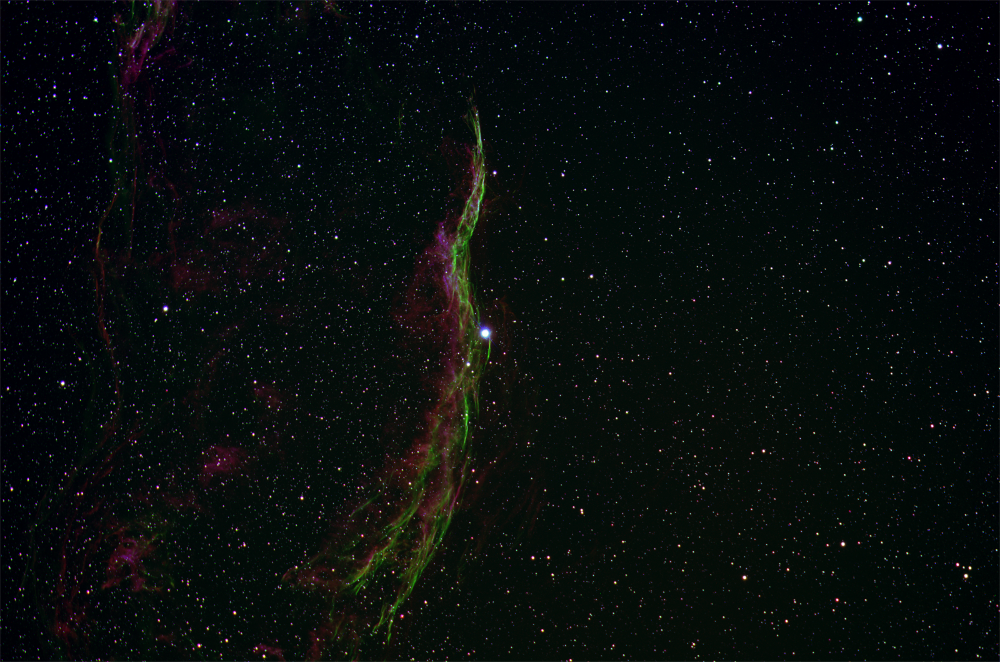
Each type of nebula plays a different role in the life cycle of stars and the overall structure of the galaxy.
═══════════════════════════
Please take a few moments to discuss the following with your team:
1) What makes nebulae (Neb-you-lie) glow?
2) What type of nebula does NOT glow (per se, which is by way of saying we typically view them against a glowing background, otherwise it's a dark cloud against the black background of space, which is very hard to see!)
3) Why are are talking about nebulae in a unit about stars?
Now let's work again with a partner (a different partner from last week if you please) and:
- Find a picture of an appealing nebula of a particular type from our list above
- Grab some butcher paper as per usual
- Sketch/Draw the nebula IN MATCHING COLOR (please limit your time filling in the colors to a cursory bits)
- Determine the elements present in the nebula and see if you can match them to the colors and label appropriately
- Title the name of your nebula
- Label the distance to the Earth in light years
- Label the SIZE of the nebula in light years